

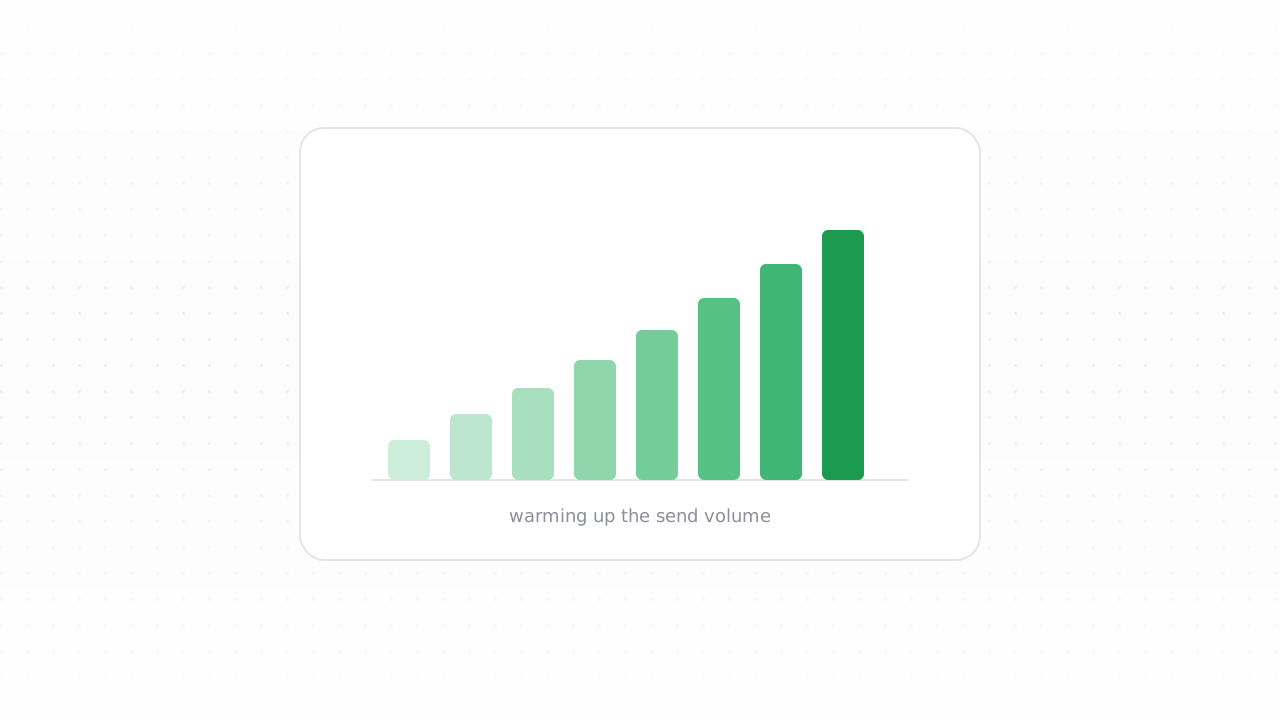
A brand-new sending domain or IP address has no reputation, and to a mailbox provider "no reputation" plus "sudden high volume" looks exactly like a spammer or a compromised account. Warming up is the process of building trust gradually — starting small, sending to the right people, and increasing volume over weeks — so providers learn you're legitimate before you scale. Skip it and your first big campaign can tank your reputation on day one.
The short answer#
Send a small volume to your most engaged subscribers first, then increase it gradually over several weeks while watching your bounce and complaint rates. Get authentication in place before you start, keep the list clean so bounces don't sabotage the ramp, and send consistently rather than in bursts. Warmup applies to any new sending domain and to dedicated IPs; on a shared IP you largely inherit the pool's existing reputation.
Why warmup is necessary#
Reputation is built from history, and a new domain or IP has none. When a cold domain suddenly sends thousands of messages, providers have nothing to weigh it against — and the pattern (no track record, high volume, appearing from nowhere) is the signature of abuse. Providers respond by throttling, filtering to spam, or rejecting outright. Warming up replaces that suspicious spike with a gradual, predictable ramp that reads as a real sender growing normally.
Domain warmup vs IP warmup#
They're related but distinct:
- A dedicated IP starts with a blank reputation you build yourself, so it needs a deliberate warmup. A shared IP (what most ESPs use) already carries the pooled reputation of its senders, so there's less to warm — though a bad neighbor can still affect you.
- A new domain is always cold, even on a warm shared IP. Domain reputation is tied to your brand and has to be built regardless of which server sends the mail.
If you're moving to a new domain or standing up a dedicated IP, plan for a warmup. If you're on a reputable ESP's shared pool with an established domain, you mostly need consistency, not a formal ramp.
How to warm up, step by step#
- Authenticate first. SPF, DKIM, and DMARC must be correct before the first send — there's no point building reputation on an identity providers can't verify.
- Start with your most engaged subscribers. The people who opened your mail most recently are the least likely to bounce or complain and the most likely to open again — exactly the positive signals that build reputation. Warm up on your best audience, not your whole list.
- Start small and increase gradually. Begin with a low daily volume and step it up over several weeks, giving reputation time to accrue at each level. The exact ramp depends on your target volume and provider feedback — increase when your metrics stay clean, and hold or slow down when they don't.
- Send consistently. A steady cadence reads as legitimate; long gaps followed by bursts reset the trust you're building. Regularity is itself a positive signal.
- Keep the list clean. A warmup sabotaged by hard bounces is worse than no warmup — every dead address you send to during the ramp damages the reputation you're trying to build. Verify before you start so the warmup sends only to real mailboxes.
- Monitor and adjust. Watch bounce rates, complaint rates, and Google Postmaster Tools throughout. If placement drops or complaints rise, pause the increases and hold volume until the metrics recover.
What sabotages a warmup#
The common ways senders undo their own ramp:
- A dirty list. Warming up while hitting dead addresses and spam traps teaches providers exactly the wrong lesson. Verify first.
- Scaling too fast. Impatience is the classic mistake — jumping volume before reputation has caught up trips the same spam filters warmup exists to avoid.
- Inconsistency. Warming up and then going quiet for weeks means starting over.
- Skipping authentication. Without SPF, DKIM, and DMARC, there's no verified identity for the reputation to attach to.
Frequently asked questions#
How long does it take to warm up a new domain or IP?#
Typically several weeks, depending on your target volume and how your metrics respond — higher volumes and stricter providers take longer. The right pace is governed by feedback, not a fixed calendar: increase volume when bounce and complaint rates stay low and placement holds, and slow down when they don't. Rushing it is the fastest way to fail.
Do I need to warm up a shared IP?#
Usually not the IP itself — a shared IP already carries the pooled reputation of the ESP's senders. But a new domain on that shared IP is still cold and benefits from easing into volume and starting with engaged subscribers. Warmup is mainly a concern for dedicated IPs and new domains.
Can I warm up faster by sending more?#
No — that's backwards. Volume doesn't build reputation faster; consistent positive engagement does. Sending more than your reputation can support trips spam filters and sets you back. The lever that speeds warmup is audience quality — mailing your most engaged, verified subscribers — not raw volume.
Should I clean my list before warming up?#
Yes, absolutely. Hard bounces during a warmup are especially damaging because you're establishing a first impression, and dead addresses send precisely the wrong signal. Verify the list first so the warmup builds reputation on real, reachable mailboxes.
A warmup is only as good as the list behind it — bounces during the ramp do lasting damage. The free plan runs the full verification pipeline so you can warm up on clean, real addresses, and the deliverability guide covers how warmup fits with the other levers that earn the inbox.