

Writing that delivers.
Deliverability guides and product notes — no filler.
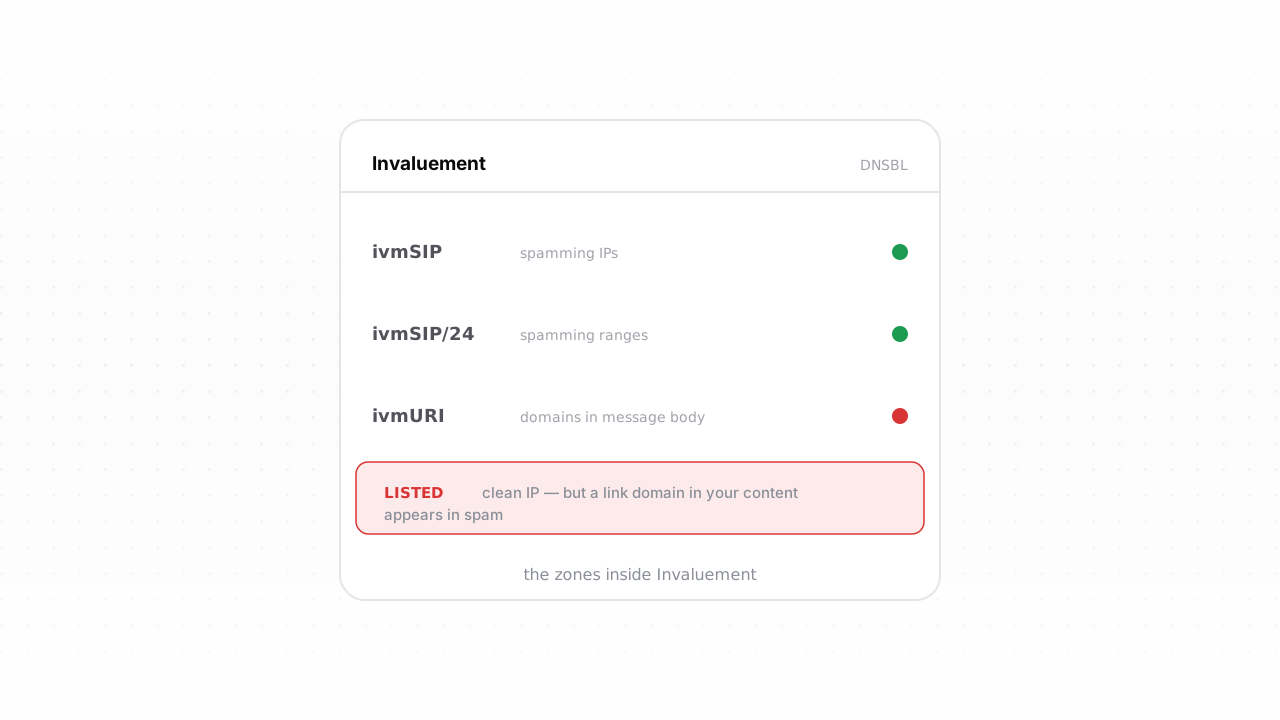
Invaluement blacklist: why your clean IP still gets blocked
Invaluement is a low-false-positive DNSBL that lists spam domains found in message bodies — so a link in your content can block mail from a clean IP.
The best NeverBounce alternatives in 2026, compared
Looking for a NeverBounce alternative? EU-based, focused verifiers compared on price, data residency, and catch-all honesty — with sourced facts.
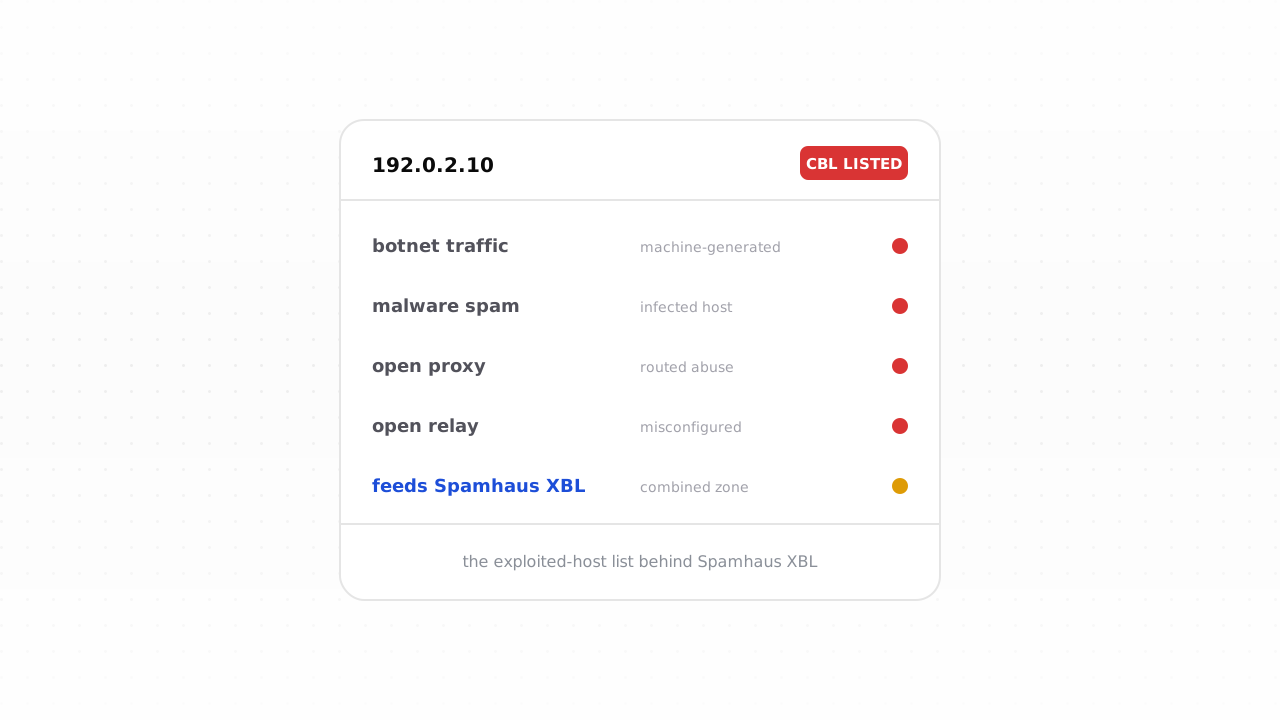
The CBL blacklist and why a listing means you're compromised
The CBL flags IPs sending botnet and malware traffic. Learn why clean business IPs get listed, how it feeds Spamhaus XBL, and how to self-delist.
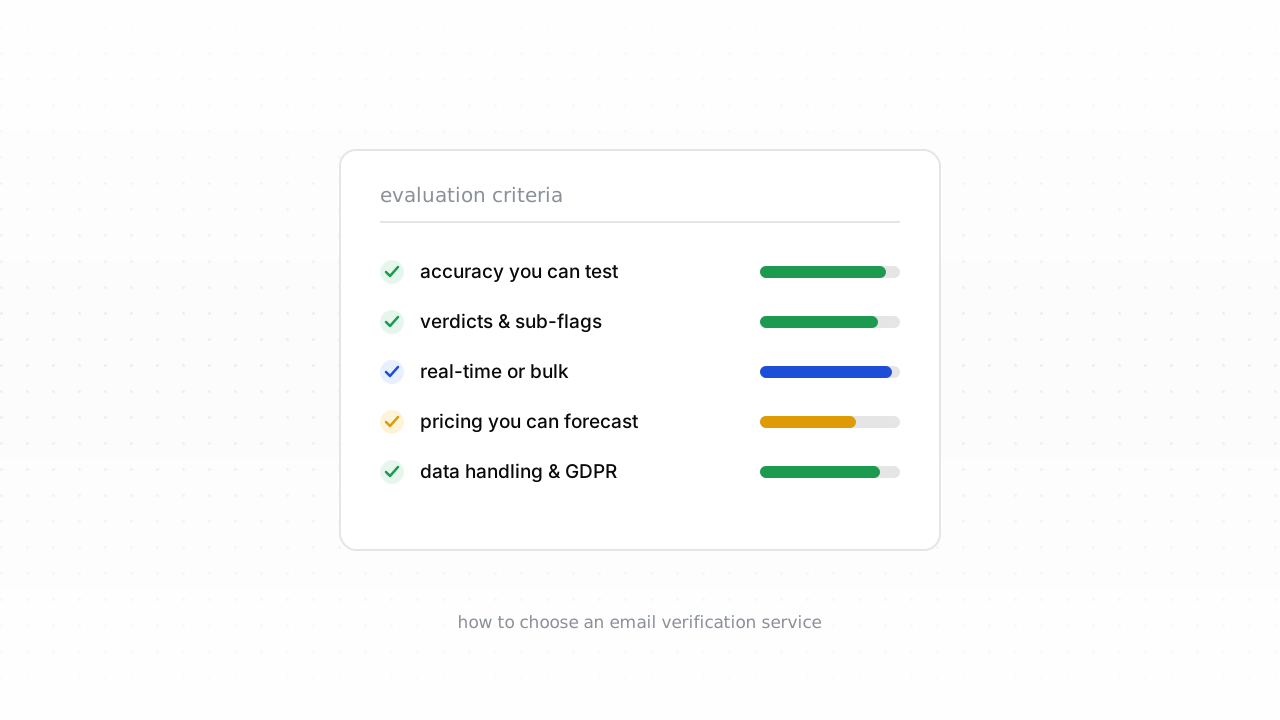
How to choose an email verification service
How to choose an email verification service: weigh accuracy, verdicts, real-time vs bulk, pricing, and GDPR — then test on your own list.
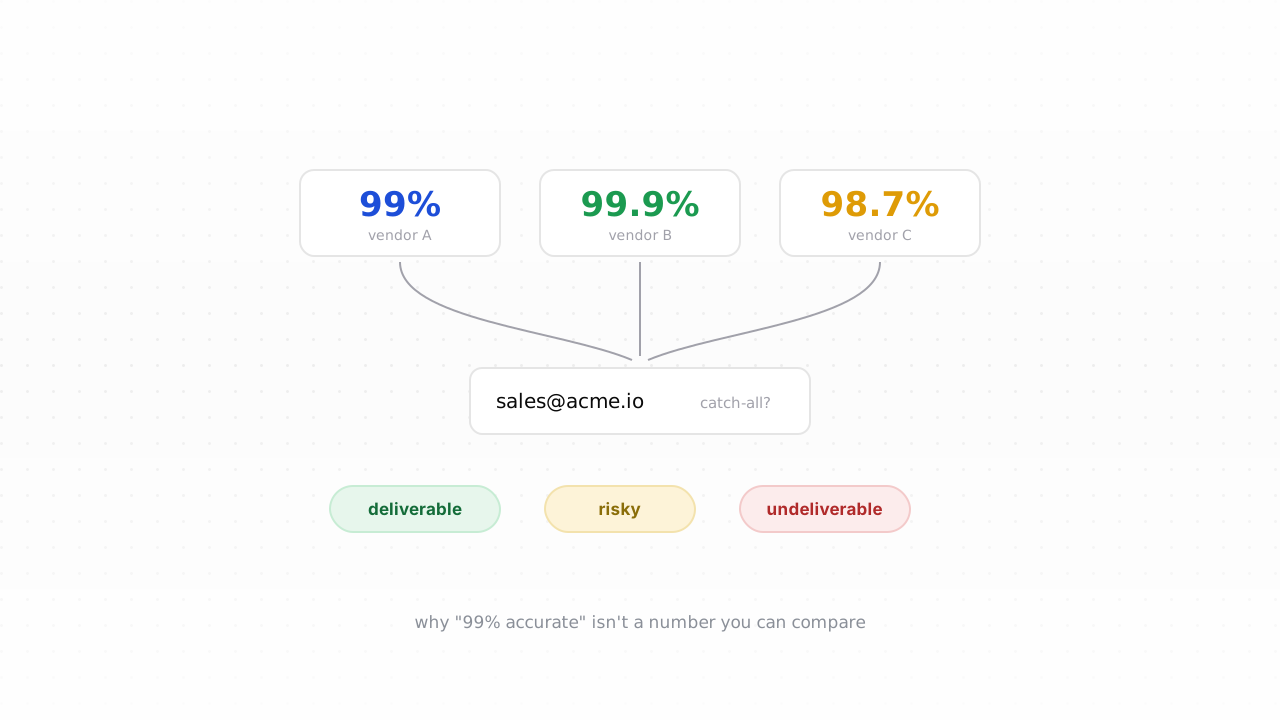
Email verification accuracy and the 99% myth
Why vendor '99% accurate' claims aren't comparable, what email verification accuracy really means, and how to test it on your own list.
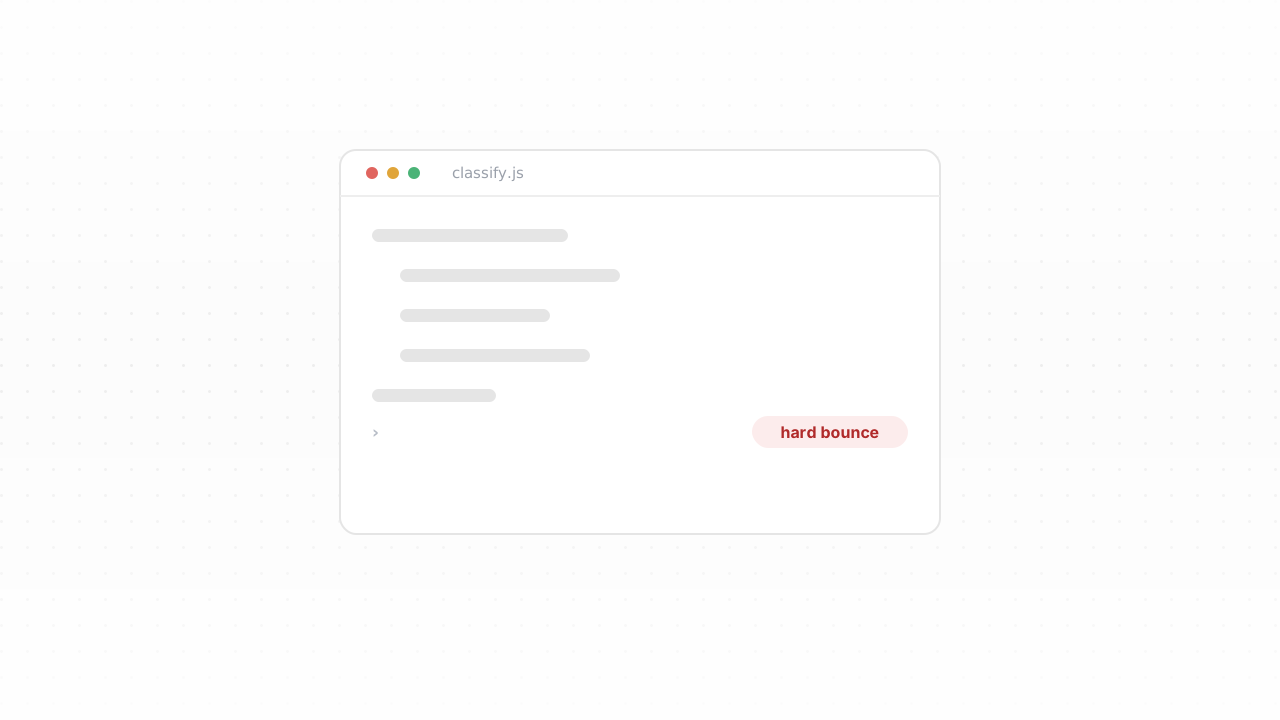
Building email bounce classification
Build an email bounce classifier: map SMTP and enhanced codes to suppress or retry, spot policy blocks, and classify addresses before they bounce.
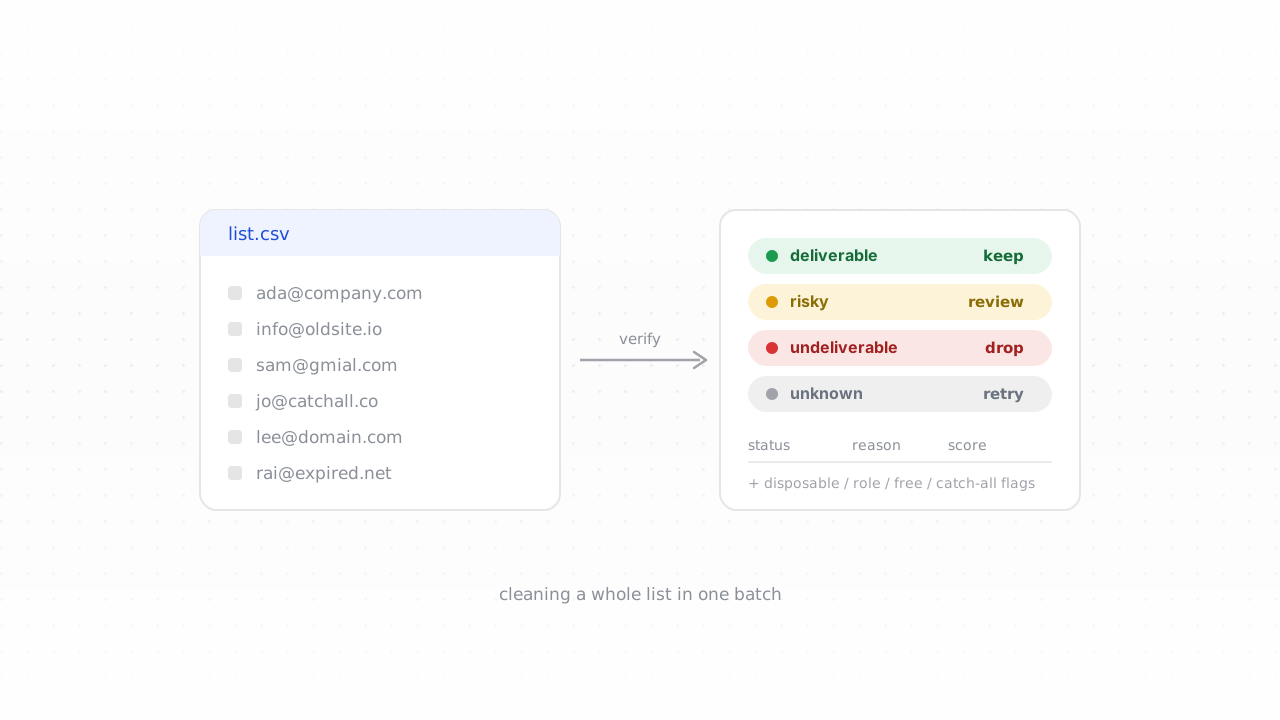
Bulk email verification: clean a list before you send
Bulk email verification cleans a list in one batch: upload a CSV, get a status, reason, and confidence score per address, then keep, drop, or review.
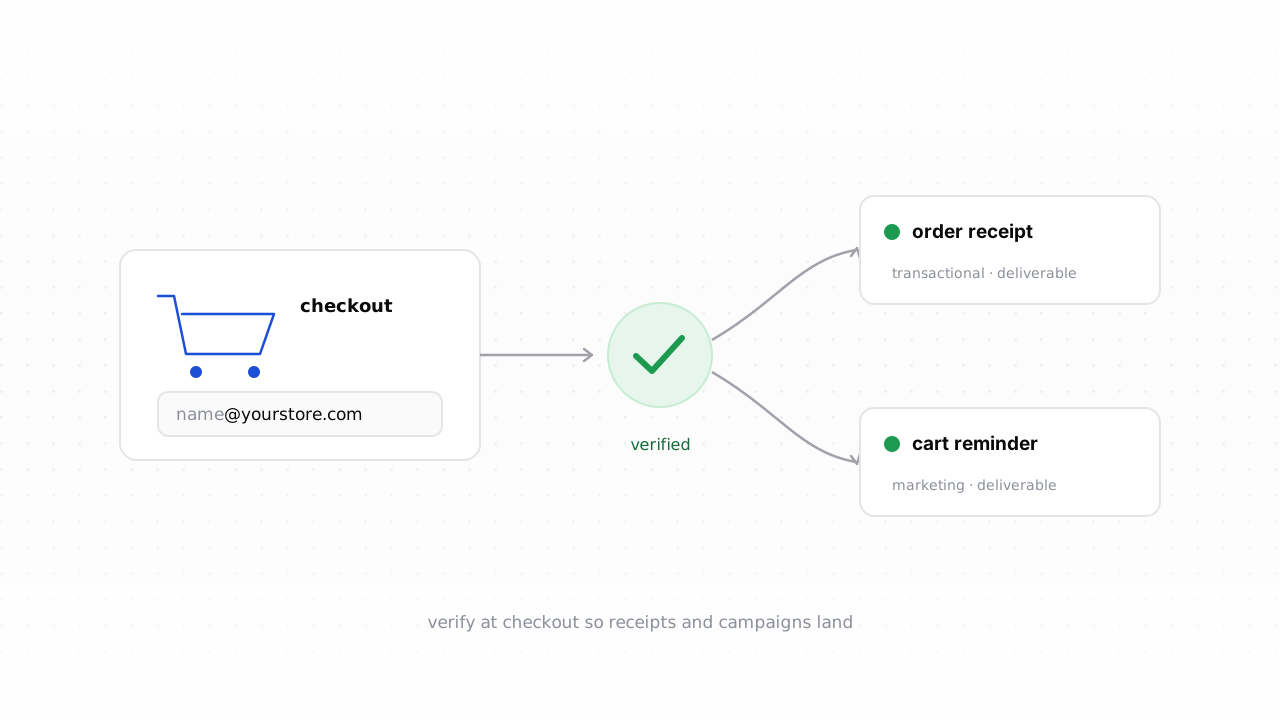
Email verification for ecommerce that protects revenue
Why online stores need email verification: catch typos at checkout, bulk-clean your customer list, and keep receipts and campaigns landing.
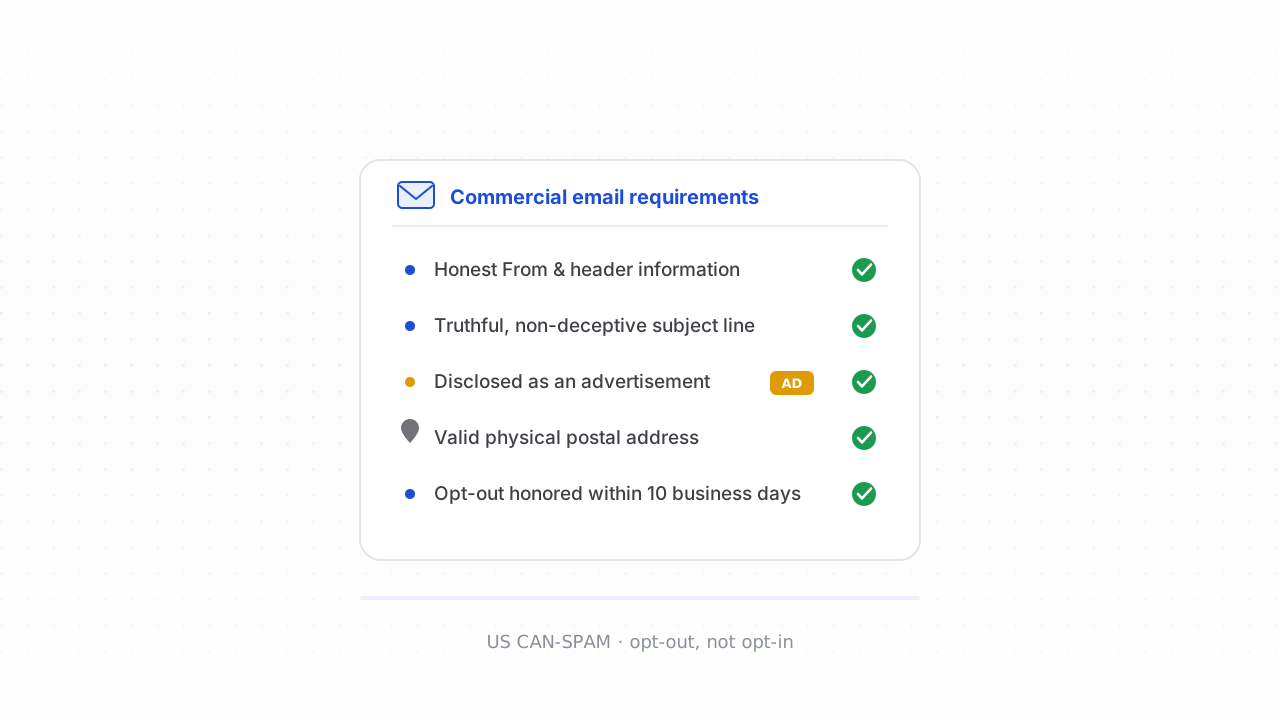
CAN-SPAM compliance, from honest headers to honored opt-outs
How CAN-SPAM compliance works for US commercial email: honest headers, a physical address, and honoring opt-outs within 10 business days.
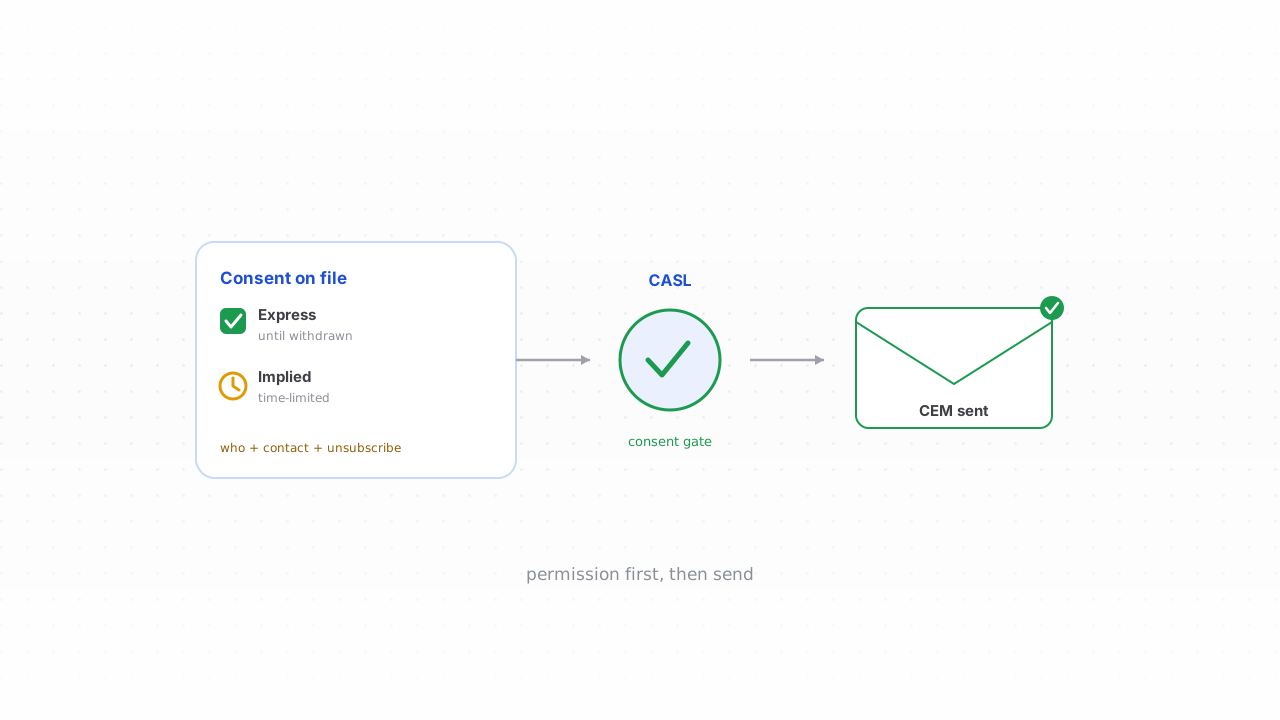
CASL compliance: Canada's consent-first email law
How CASL compliance works: express vs implied consent, sender identification, unsubscribe rules, and how Canada's law differs from CAN-SPAM.
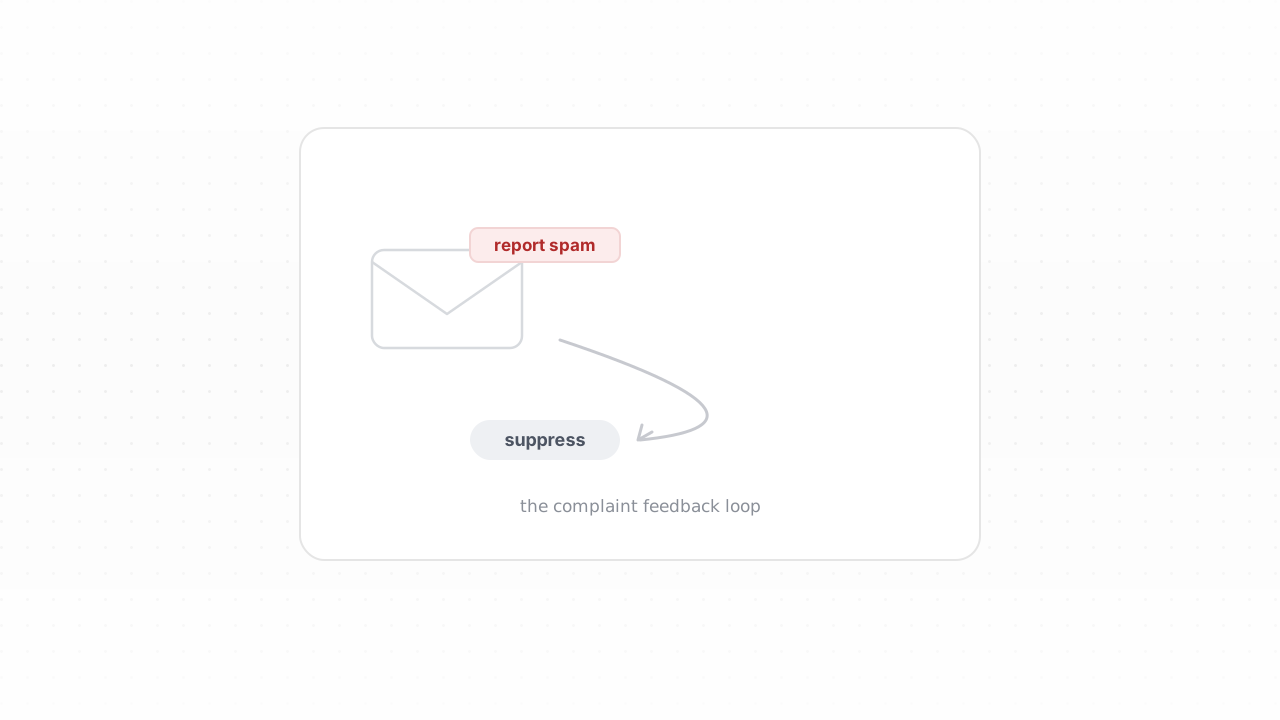
Email feedback loops (FBLs) explained
Email feedback loops forward spam complaints back so you can suppress complainers. How they work, which providers offer them, and why Gmail is different.
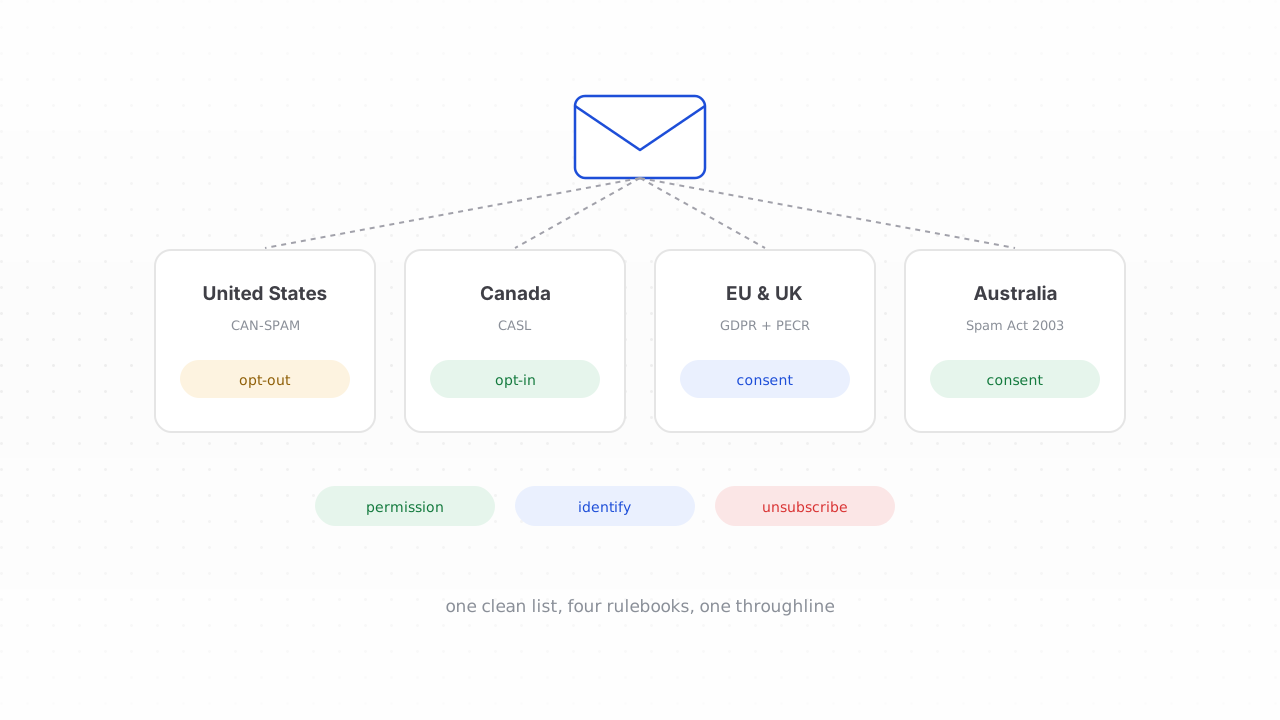
Email marketing laws by country, compared
How the major email marketing regimes compare: CAN-SPAM, CASL, GDPR/PECR and Australia's Spam Act, plus the habits that satisfy them all.