

A blocklist can send your mail to spam — or refuse it outright — for millions of recipients at once, and you often won't know until deliverability craters. A blocklist (or blacklist) is a shared "do not accept" register that mail servers consult in real time, and landing on a major one is one of the fastest ways to lose the inbox. Here's how they work and how to stay off them.
The short answer#
A DNS-based blocklist (DNSBL) is a public database of IP addresses or domains known for sending spam. When a message arrives, the receiving server queries the sender against these lists in a fraction of a second and, if there's a hit, rejects or filters the mail. You get listed for the usual hygiene failures — hitting spam traps, high complaint rates, mailing dead addresses, or a compromised server. Getting off means fixing the cause first, then requesting delisting.
How blocklists work#
The "DNS" in DNSBL is the clever part: the list is published over DNS, so a mail server can check a sender with the same fast lookup it already uses for everything else. When mail comes in, the receiver queries the sending IP (or the domain in the message) against one or more blocklists; a hit returns a code that tells the server to reject, defer, or mark the message as spam.
There are two broad kinds:
- IP-based lists flag the sending server's address — the most common, and the one a compromised or poorly-warmed server lands on.
- Domain-based lists flag domains that appear in spam, including links inside the message body, so a bad link can get you filtered even from a clean IP.
The blocklists that matter#
There are dozens, but they are not equal. Spamhaus is by far the most consequential — its lists are consulted by a huge share of the world's mail servers, so a Spamhaus listing has outsized impact. Others (Barracuda, SpamCop, SORBS, and various regional lists) matter to the receivers that use them. The practical point: chasing every minor list is a waste of energy, but a listing on a major one like Spamhaus demands immediate attention.
How you end up on one#
Blocklists are a symptom of the same hygiene problems that hurt every other part of deliverability:
- Spam-trap hits. Blocklist operators run spam traps; hitting them is direct evidence you're mailing addresses you shouldn't have.
- High complaint rates. Enough recipients hitting "report spam" gets you listed.
- Mailing dead addresses. Sustained hard bounces signal a purchased or neglected list.
- A compromised or misconfigured server. An open relay or a hacked account sending spam gets the IP listed fast.
- Buying or scraping lists. The single most reliable way onto a blocklist.
How to check if you're listed#
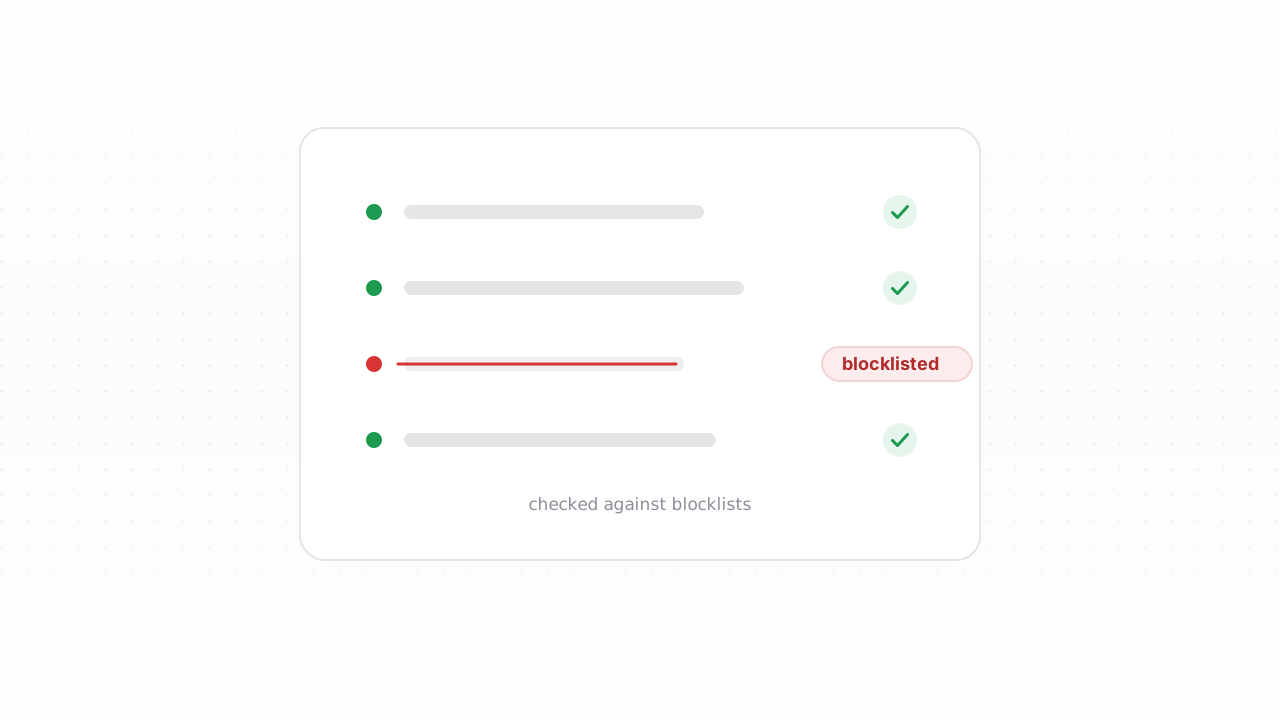
If deliverability suddenly drops, check whether you've been listed. Blocklist lookup tools query the major lists for your sending IP and domain at once, and Spamhaus and most operators have their own lookup pages. Also watch Google Postmaster Tools and Microsoft SNDS — a reputation drop there often coincides with a listing.
How to get delisted#
The order matters, and getting it wrong wastes the attempt:
- Fix the root cause first. Spamhaus is explicit that delisting without fixing the underlying problem is pointless — you'll be relisted. Clean the list, stop the source of complaints, secure any compromised account, and confirm your authentication is in order.
- Request removal. Once the cause is fixed, use the blocklist's own delisting process. Some lists auto-expire a listing after a clean period; others require a manual request.
- Don't repeat the mistake. A second listing is harder to shake than the first, and a pattern of relisting damages your standing further.
Staying off them#
Prevention is the same discipline that protects your sender reputation generally: verify your list so you're not mailing dead addresses or spam traps, collect with permission, keep complaints low, authenticate, and warm up new sending infrastructure. A blocklist listing is almost never bad luck — it's feedback that one of those slipped.
Frequently asked questions#
How do I know if my IP or domain is blocklisted?#
Use a blocklist lookup tool, which checks your sending IP and domain against the major lists at once, or the operators' own check pages (Spamhaus has one). A sudden drop in deliverability, or a reputation drop in Google Postmaster Tools or Microsoft SNDS, is often the first sign — investigate a listing when placement falls off a cliff.
How long does it take to get delisted?#
It depends on the list and the cause. Some lists automatically remove a listing after a period of clean sending; others require a manual delisting request that's reviewed once you've fixed the problem. The key is that delisting only sticks if you've addressed the root cause first — request removal before fixing it and you'll simply be relisted.
Does being on one blocklist really matter?#
It depends which one. A listing on a widely-used list like Spamhaus affects mail to a large share of receivers and needs urgent attention; a listing on an obscure regional list may affect almost no one. Prioritize by how many of your recipients' providers actually consult the list rather than treating every listing as a five-alarm fire.
Most blocklist listings trace back to mailing addresses you should have removed first. The free plan runs the full verification pipeline so you can strip the dead addresses and spam-trap risk out of your list before they get you listed, and the deliverability guide covers the rest of the levers.