

If your open rates just fell off a cliff, or a client says your mail is landing in spam, one of the first things to rule out is a blacklist listing. The good news: checking is fast and free. The catch is knowing what to check, which lists to trust, and how to read the result — because a listing on one blocklist can mean an emergency or nothing at all.
The short answer#
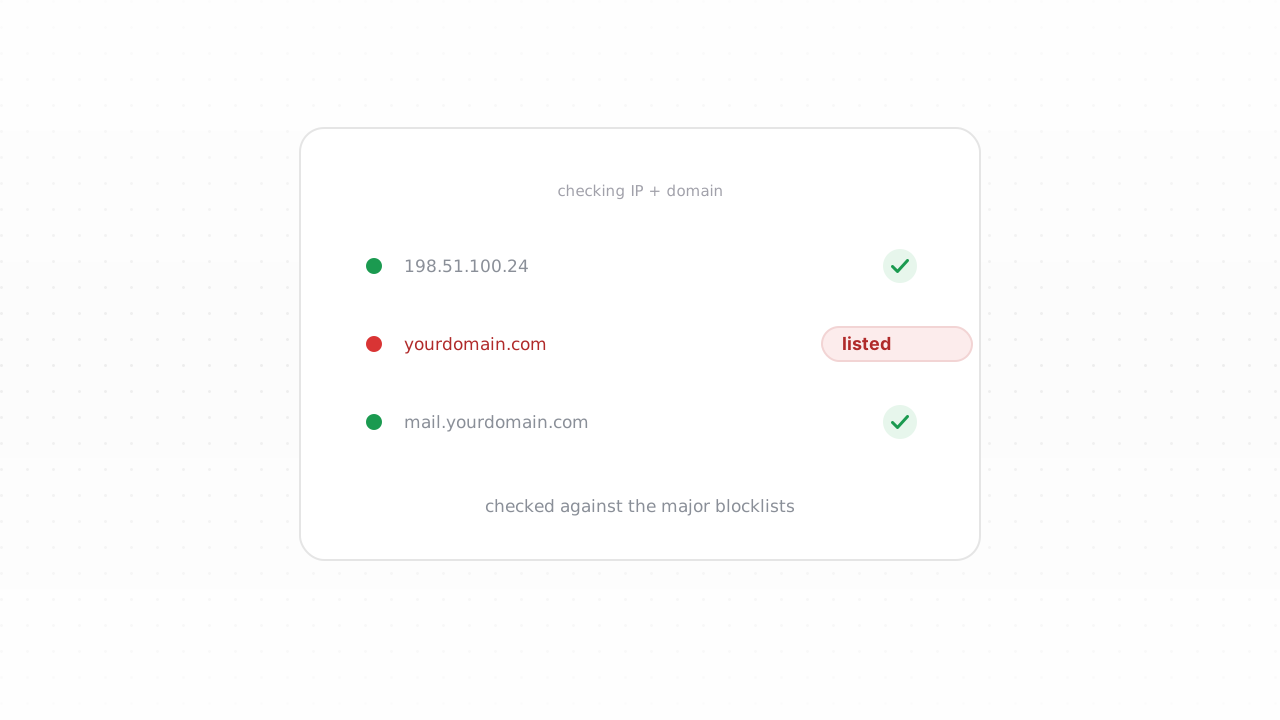
To check whether you're blacklisted, look up your sending IP and your sending domain against the major DNS blocklists using a multi-list lookup tool or the operators' own check pages. Prioritise what a hit actually costs: a Spamhaus listing is urgent because so many receivers consult it; a listing on an obscure list may affect almost no one. If you find a listing, fix the cause and request delisting — in that order.
First, find your real sending identity#
You can only check what you know. Two things get judged:
- The sending IP — the address your mail actually leaves from. If you send
through an ESP (Klaviyo, Mailchimp, a transactional provider), that's usually
their shared IP, not your server. Check the
Receivedheaders of a message you sent, or your provider's docs, to find the real sending IP. - The sending domain — the domain in your
Fromaddress, plus any subdomains and the domains of links inside your emails.
How to check#
There are three complementary ways, from broadest to most authoritative:
- A multi-blacklist lookup tool. These query your IP and domain against dozens of lists at once and show you every hit on one screen. Fast for a first pass — just don't panic at a hit on a list nobody uses.
- The operator's own check page. The lists that matter run their own lookups. Spamhaus has one for IPs and domains; it's the authoritative source for a Spamhaus listing and links straight to removal.
- Reputation dashboards. Google Postmaster Tools and Microsoft SNDS show your domain and IP reputation at the two biggest mailbox providers. They won't name a blocklist, but a reputation drop there often coincides with a listing and is a strong signal something's wrong.
How to read the result#
A hit is a starting point, not a verdict. Weigh it by who uses the list:
- A major list (Spamhaus SBL/CSS/XBL, Barracuda, SpamCop). Treat as urgent — these are consulted by a large share of receivers, so a listing is actively suppressing your mail right now.
- The Spamhaus PBL. This isn't a spam accusation — it flags IP ranges that ISPs say shouldn't send mail directly (dynamic/residential ranges). If you send from one, route through a proper relay or ESP instead.
- An obscure or regional list. Note it, but don't drop everything. Prioritise by how many of your recipients' providers actually consult it.
What a listing is telling you#
Blocklists are a symptom, not the disease. A listing almost always traces back to a hygiene failure: spam-trap hits, a spike in spam complaints, sustained hard bounces from a stale or purchased list, or a compromised account sending on your behalf. Identifying which one applies is the first step of getting off — and of not landing there again.
Don't rely on remembering to check#
A manual lookup answers "am I listed right now?" — but listings happen at a specific moment and cost you from then until you notice. Checking once and moving on means the next listing runs unseen until your metrics tank. That's the gap continuous blacklist monitoring closes: it runs these checks for you around the clock and alerts you the moment something changes.
Frequently asked questions#
How do I check if my IP is blacklisted?#
Find your true sending IP (from a message's Received headers or your ESP's
docs), then look it up with a multi-blacklist tool and on the major operators'
own pages — Spamhaus most importantly. A reputation drop in Google Postmaster
Tools or Microsoft SNDS is a corroborating signal even when it doesn't name a
specific list.
How do I check if my domain is blacklisted?#
Look up the domain in your From address — and the domains of any links in your
emails — against domain-based lists such as the Spamhaus DBL, using a lookup tool
or Spamhaus's own domain check. Domain listings can filter your mail even when
your sending IP is perfectly clean.
Is checking a blacklist free?#
Yes. Multi-list lookup tools and the major operators' check pages are free, and Google Postmaster Tools and Microsoft SNDS are free to set up for domains and IPs you control. The cost isn't the check — it's the time a listing runs before you happen to look, which is why senders automate it.
My email goes to spam but I'm not blacklisted — why?#
Blacklists are only one input. Mail can be filtered for weak authentication, a poor sender reputation, high complaint rates, spammy content, or a cold IP that was never warmed up. Rule out a listing first, then work down the rest.
Checking once tells you where you stand today; it doesn't tell you the moment it changes. Qualisend's blacklist monitoring checks your domains and IPs against 40+ lists continuously and alerts you on any change — and verifying your list first removes the dead addresses and spam traps that put most senders on a list to begin with.